1. Selection by Demographic Group
Adults vs. Children: Finding the Right Fit
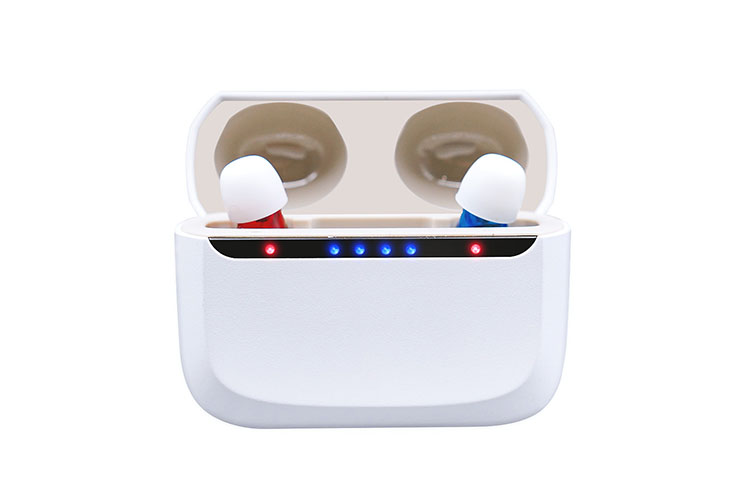
Hearing amplifiers ought to cater to unique age agencies. For adults, devices need to prioritize comfort and durability, even as youngsters need smaller, light-weight fashions with protection capabilities like volume limiters to shield sensitive ears.
- Adults: Look for adjustable ear hints and lengthy battery life (e.G., BTE listening to aids with rechargeable alternatives).
- Children: Discreet, hypoallergenic substances and tamper-evidence battery cubicles are crucial.
2. Power Source Comparison: Rechargeable vs. Battery-Powered
Cost, Convenience, and Longevity
- Rechargeable Hearing Aids (e.g., Bluetooth-enabled models):
- Pros: No battery replacements, eco-friendly, USB charging (lasts 24+ hours).
- Cons: Higher upfront cost, requires charging station.
- Battery-Powered Hearing Aids (egg, Zinc-air batteries):
- Pros: Cheaper initially, widely available.
- Cons: Frequent replacements, higher long-term cost.
Best for Budget Buyers: Under $50 models (battery-powered).
Best for Convenience: $50–$100 rechargeable models (e.g., RIC hearing aids).
3. Design & Discretion: In-Ear vs. Behind-the-Ear
Balancing Power and Invisibility
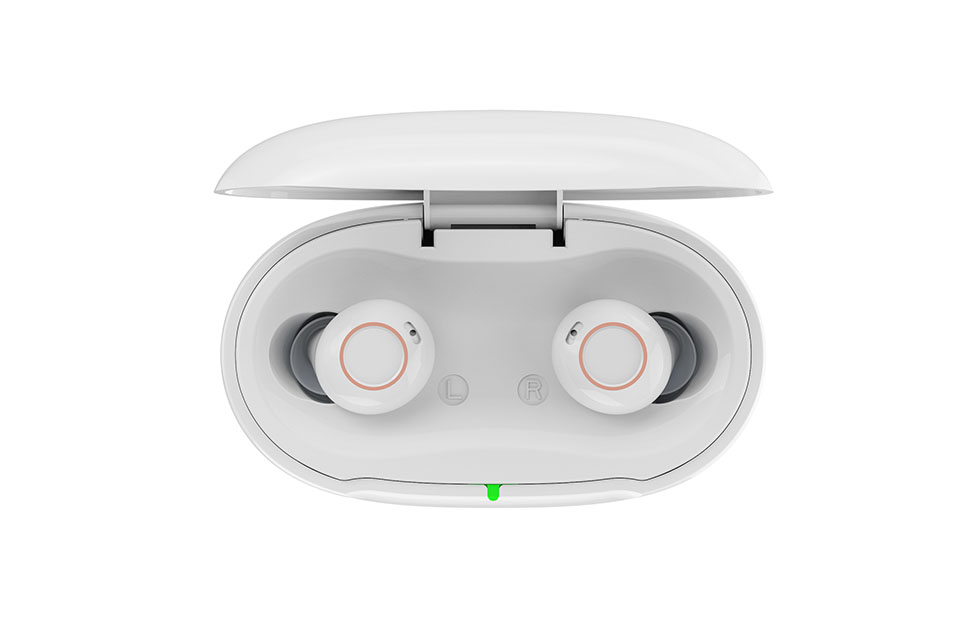
- In-Ear (CIC/ITE):
- Pros: Nearly invisible, lightweight.
- Cons: Lower power, shorter battery life.
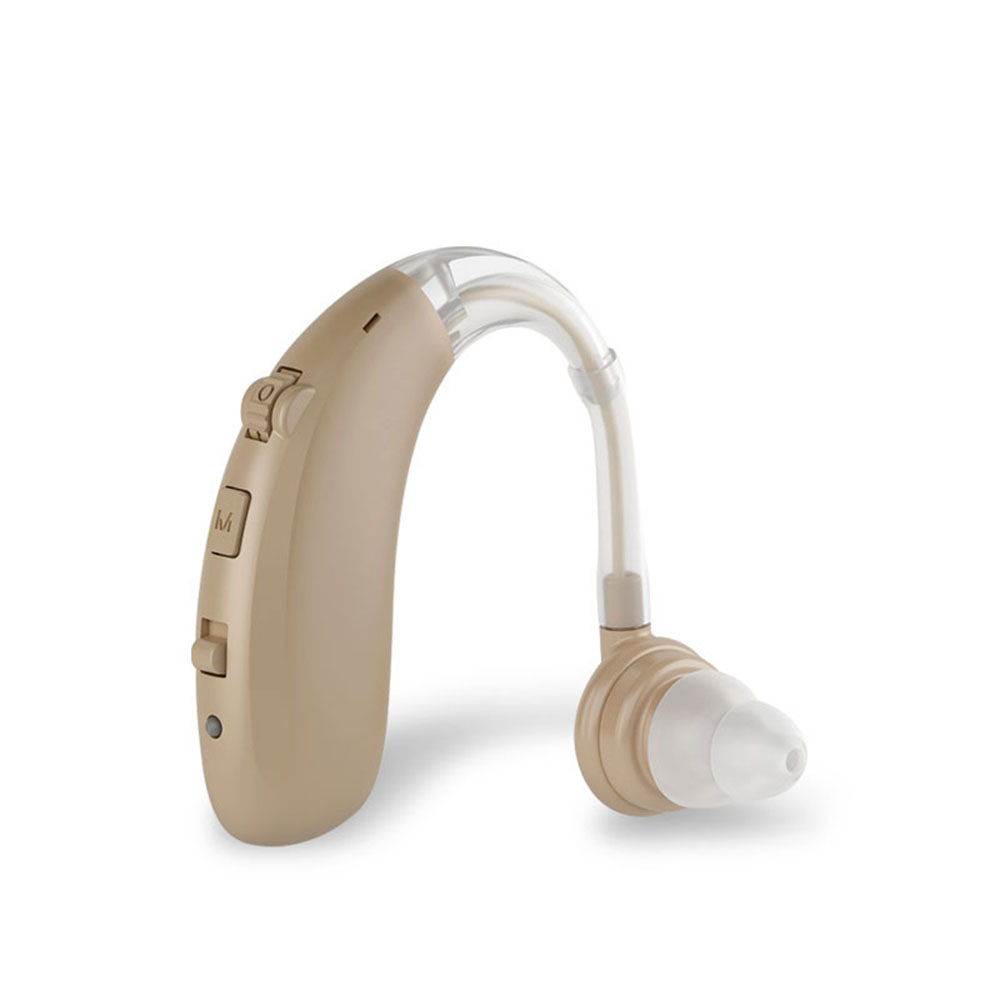
- Behind-the-Ear (BTE):
- Pros: Strong amplification, better for severe hearing loss.
- Cons: More visible, bulkier.
Top Picks:
- Discreet: CIC hearing aids (e.g., Invisible Hearing Aids).
- Powerful: BTE hearing aids (e.g., Noise Reduction Hearing Aids).
4. Price Range & Value for Money
Best Budget and Mid-Range Options
| Price Range | Recommended Model | Key Features |
|---|---|---|
| Under $50 | Analog Hearing Aids | Basic amplification, battery-powered |
| $50–$100 | Digital Hearing Aids | Noise reduction, rechargeable |
| $100+ | Bluetooth Hearing Aids | App control, premium sound quality |
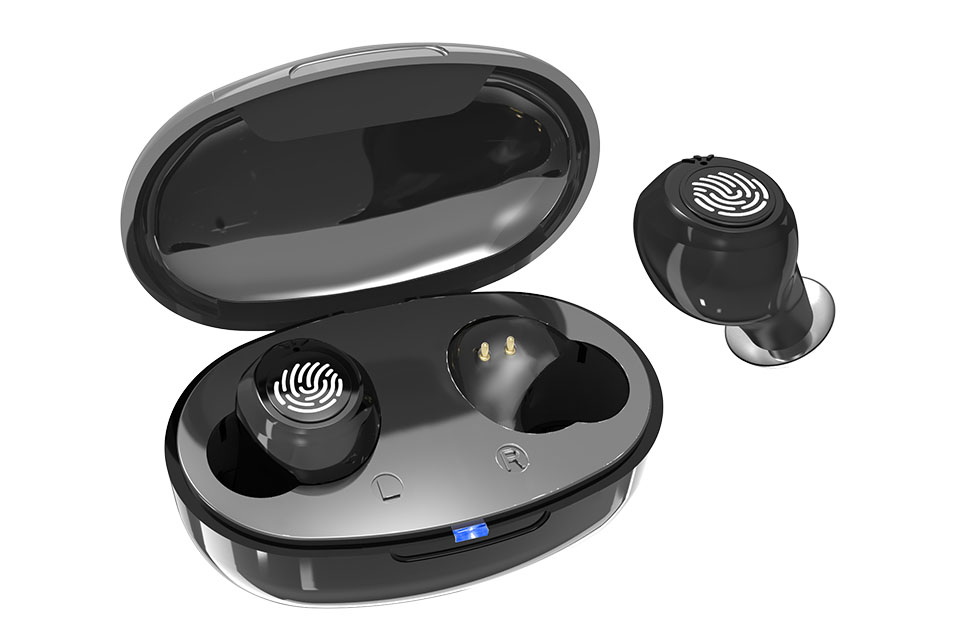
Best Value: Rechargeable Hearing Aids (e.g., TWS Hearing Aids).
5. Recommended Use by Scenario
Daily Life, TV, and Conversations
- Daily Use: Digital Hearing Aids with background noise reduction.
- TV Watching: Bluetooth Hearing Aids (direct streaming).
- Conversations: RIC Hearing Aids (natural sound clarity).
6. Key Technical Considerations
Noise Reduction, Bluetooth, and Hearing Aid Compatibility
- Noise Reduction: Digital signal processing (DSP) for clearer speech.
- Bluetooth: Wireless streaming (e.g., Bluetooth Hearing Aids).
- Compatibility: Works with hearing aid-compatible phones.
7. Non-Traditional Alternatives
Affordable & Innovative Solutions
- Smartphone Apps + Earbuds: Hearing amplifier apps (e.g., APP Control Hearing Aids).
- Over-the-Counter (OTC) Devices: Budget-friendly, no prescription needed.
Conclusion
Choosing the right hearing amplifier depends on budget, lifestyle, and hearing needs. Rechargeable digital models offer the best balance of cost and convenience, while discreet in-ear designs suit those prioritizing appearance. For severe hearing loss, powerful BTE models are ideal.
Explore our range of hearing solutions at China Hearing Aids Factory.
(Images are for illustrative purposes. Actual products may vary.)